Sports Massage has been proven to flush the muscles and ease the soreness in the body after exercise. In addition, a qualified therapist should be able to uncover any tightness in the muscles and detect any muscular imbalances, both of which if left untreated could develop into an injury. In an ideal world it would be great to have a weekly massage to keep your muscles loose. However, for many people this is simply not practical so self massage is a good way to prevent your muscles tightening between treatments with a qualified practitioner. A great way to manipulate the muscles yourself is by using The Grid. This is an evolution of the traditional foam roller and comes well recommended. It is an easy and effective way to target tension in muscles and release the stiffness yourself. The Grid is available through the link to Physio Supplies on the right side of this page and although it’s slightly more expensive than the standard roller, it is tougher and will last longer. When your muscles feel heavy, sore and tight, make The Grid a regular part of your post-training routine.
Are your muscles ready to try the evolution of the Foam Roller?
January 18th, 2012The Success of On-Site Massage
January 18th, 2012For the last year, I have been providing monthly massage treatments on-site for the employees of a major organisation in West Yorkshire. The management of these massage days is simple. I liaise with one member of staff who manages my schedule for the day of the visit. My visits are advertised throughout the office and I also get a feature on their intranet. The fact that I am on-site makes it easy for the employees to get the treatment they need without invading their valuable time outside of work. I see approximately 8 employees per visit, for either a 30 or 50 minute session and my massage days are so popular that they get booked up two months in advance.
The business I visit is very proactive in offering their staff the facilities and the opportunity to exercise during working hours to boost health and encourage a more positive work/life balance. Massage fits with this ethic. For those employees who prefer not to exercise during working hours, the availability of a massage treatment at their place of work encourages them to get away from their workload and allows them time to relax, so they return to their desk feeling revitalised and much more aware of their posture. If you think your business may be interested in bringing massage on-site then please contact me.
Keep your lower back flexible
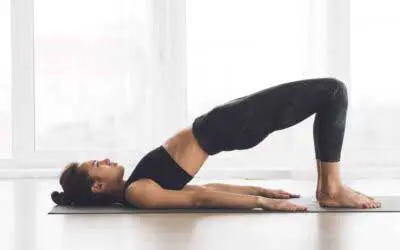
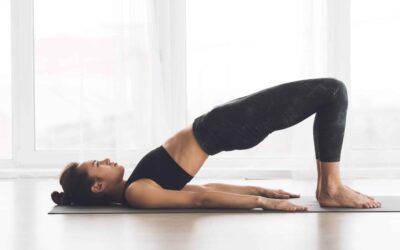
July 18th, 2011Many of you will spend hours during the day, probably sitting at a desk, in a flexed position which puts unnecessary pressure on your lower back and lumbar spine region. In order to counter this static flexed posture you need to stretch your body into full extension. One of the ways in which you can do this is by using a swiss ball. Lie back on the ball until you find your point of balance and extend your body fully so that your back, neck and head follow the curve of the ball. Reach your hands over your head and rest them on the floor to steady yourself. Engage your buttocks and push your hips upwards, relax into the position and hold for up to 5 minutes. You can get the same lower back extension by lying on your back on the floor and arching your back over a foam roller. Both a swiss ball and a foam roller can be purchased from Physio Supplies through the link at the bottom of this page.
Injury Free Running
April 26th, 2011The best way to treat injuries is to avoid getting them in the first place. A few simple, preventative measures will ensure you are able to run consistently without getting injured.
A good warm-up improves your performance and reduces the risk of injury. When preparing for exercise, the aim is to elevate your body temperature, increase your heart rate and improve the blood flow to the muscles. The most efficient way to do this is with 5-10mins of gentle jogging followed by gentle stretching of your body’s major muscles, prior to your run.
Make sure you are training in the right kind of shoes for your running style. Visit a specialised running shop to get your running technique analysed. Your biomechanical running style will dictate the amount of support and cushioning that you need in a running shoe and running in the right shoe with the correct support should prevent injury.
Try and run on different surfaces to experience a mixture of soft and hard grounds. By running both off and on road your muscles get a chance to adapt to various terrains, making them more resilient.
Get enough rest from training because without it, your body can’t adapt to the training loads you place upon it. Increase your mileage gradually to avoid overloading your muscles and to prevent injury.
Make sure you stretch again after your run. Stretch slowly and gently to the point of tension and hold each stretch for at least 30secs.
Get regular massage. Prevention is better than cure so get the muscles loosened off with a deep tissue massage every 4-6 weeks and take the heaviness and tiredness out of your legs.
Don’t let cramp affect your training
December 16th, 2010A cramped muscle can be painful and uncomfortable and will interrupt your training routine. Here are 3 tips to help you manage cramp:
Drink enough fluid before, during and after your workout to ensure that you are fully hydrated. Dehydration will affect the electrolyte balance in your muscles and can cause cramp. Stretch the cramped muscle gently until you can feel the spasm subsiding. Massage the cramped muscle using a compression technique. Do this intermittently with the stretching and this will help relieve the tension.
Use Massage as a Prevention not just a Cure
November 29th, 2010The majority of clients experience deep tissue massage when their muscles are in desperate need of attention. A relaxed muscle gives you a better range of movement and less restrictions in mobility. A tight muscle limits your range of movement which can over-stretch the body and cause injury. But just think what would happen if massage was used regularly instead of only when it is really needed? Massage helps keep your muscles relaxed and tension-free, therefore if muscles are regularly loosened off through massage and stretching, the muscles are less likely to feel tight and therefore less likely to get injured. By using massage regularly, every 4-6 weeks, as part of your training schedule, you will reduce your risk of injury and consistently perform better.
Troubled with Back Pain?
June 18th, 2010Did you know that back pain is the the No1 reason for absence in manual jobs in the UK and the No2 reason for long term sickness within UK offices? Back pain limits your activity rate and costs UK employers £624 million per year.
Do you sit with poor posture at a desk all day? Drive long distances? Have a manual labour-intensive job? Feel stressed and anxious? If so, you would benefit from a deep tissue massage. Massage is recognised as a legitimate method for fighting back pain and it is reported that 90% of sufferers recover within 6 weeks with a 1 hour treatment per week.
What Makes Muscles Tight?
April 22nd, 2010When a muscle exercises it requires a continual supply of oxygen from the blood to provide it with the energy and nutrients it needs to work efficiently. As a result of working hard, waste products accumulate in the muscles which must be removed so that the muscles can recover. With a good blood supply to the muscles, oxygen can feed the muscles with energy and nutrients and remove the waste to prevent the muscles feeling tight, stiff and sore.
As the muscles get tight, the blood flow to the muscles becomes slightly restricted and there is less oxygen and nutrients getting to the muscles to keep them healthy. A lack of energy and nutrients to a tight muscle weakens that muscle and the muscle tightens up further. With tight muscles, you will be more prone to injury during daily routines and sporting activities.
Over-training can cause tight muscles. Too much training can cause muscles to strain and often results in small micro tears to the muscle fibres. Strained muscles will tighten to protect themselves from injury thereby reducing the blood supply to that muscle. This therefore restricts the amount of oxygen and nutrients getting into the muscles causing the muscles to work less efficiently.
Poor and/or static posture can also lead to tight muscles. If you have poor posture and muscles are held in a static position for long periods of time then this puts considerable pressure on the surrounding muscles, increasing the work that they have to do to overcompensate for the poor posture. These muscles are working twice as hard and almost become over-trained. Static posture throughout the day followed by post-work exercise means that the tight muscles are more prone to injury.
Pregnancy Massage – relieve the pain!
February 10th, 2010Massage alleviates aches, pain and tension during the final stages of your pregnancy and helps ensure rapid postnatal recovery. The safety and well being of both the mother and baby is considered at all times and massage is not recommended during the first 16 weeks of your term. Massage during pregnancy can reduce pain in the lower back, neck & hips, improves circulation which in turn reduces swelling, enhances skin pliability and generally relaxes the client during this time.
The client sits on a chair at the side of the massage couch and leans comfortably against the couch, supported with the use of pillows. The back is massaged with the practitioner standing and crouching behind the client. Most pregnant clients are so relaxed that they manage to fall asleep – practically sitting upright!! Massage will also help restore the body to its pre-pregnant condition by relieving sore muscles, relaxing the body and reducing the likelihood of abdominal scar tissue.
How a Foam Roller compliments your Massage Treatment
January 27th, 2010Using a foam roller properly will assist with the stretching and manipulation of muscles and tendons in a similar way to that of massage. By using a cylindrical roller made of high-density foam, you can use your own body weight to perform self-massage, helping to stretch your muscles and break down soft tissue adhesions. A popular size of roller is 36″ long and 6″ in diameter with a surface soft enough to be comfortable and hard enough not to crush under your weight. As you apply your weight to the roller, roll back and forth over a muscle. When you roll over an area of tension, stop rolling and and hold your position on the tight spot for about 30 seconds – this will break down any adhesions. To purchase a foam roller, please click on the Physio Supplies link on this page.